How twilight shifts through the year, and how our practices can honor each season.
Evening is not static. It arrives differently in winter than summer, feels distinct in spring versus autumn. The quality of light changes. The temperature shifts. The sounds alter. Our bodies respond to these transitions.
Seasonal evening practices honor these natural rhythms rather than resisting them.
Darkness arrives early in winter. Rather than fighting it with artificial brightness, we lean into the invitation to rest sooner. Winter evenings call for warmth, cocooning, and deep inward focus.
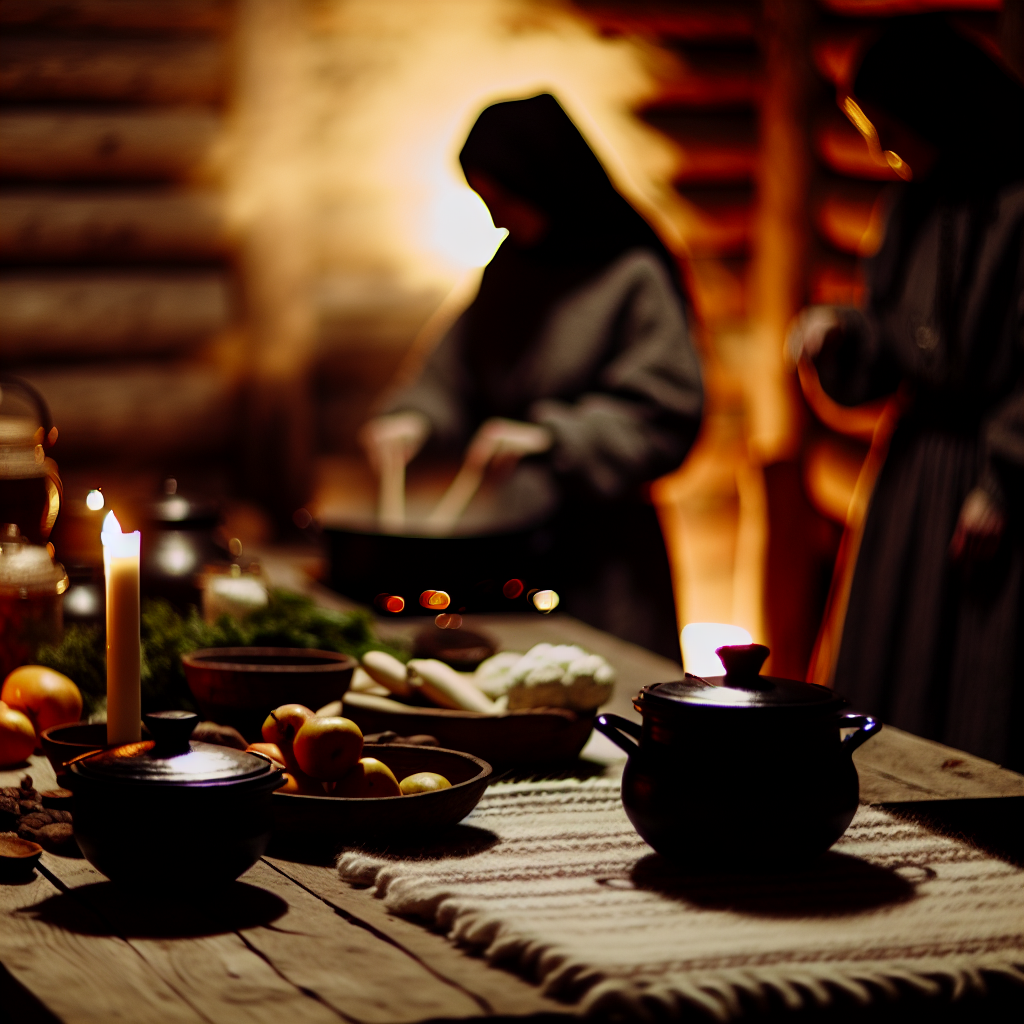
This is the season of candles, thick blankets, hot tea, and early bedtimes. Of reading by firelight and journaling longer. Of accepting that our bodies want more sleep when daylight is scarce.
Light returns gradually in spring. Evenings arrive later, inviting us outdoors again. Spring evenings hold a quality of awakening — notice the budding trees, birdsong returning, warming air.
This is the season of evening walks, open windows, lighter meals, and gentle renewal. Of clearing winter's heaviness and inviting fresh energy without abandoning rest.
Summer evenings arrive late and linger long. The challenge here is honoring rest even when daylight persists until 10pm. Summer evenings invite us outside — to porches, gardens, balconies.
This is the season of sunset watching, outdoor dinners, evening gardens, and flexible bedtimes. Of understanding that rest doesn't require darkness, just intention.
Autumn brings the most dramatic shift in evening quality. Darkness returns quickly. Air cools noticeably. Leaves fall. There's a melancholic beauty to autumn dusk that invites reflection and release.
This is the season of transition practices, gratitude for what was, letting go of what no longer serves. Of preparing for winter's inward turn while still enjoying outdoor evenings.